Showing posts with label 2003. Show all posts

24/06/2014

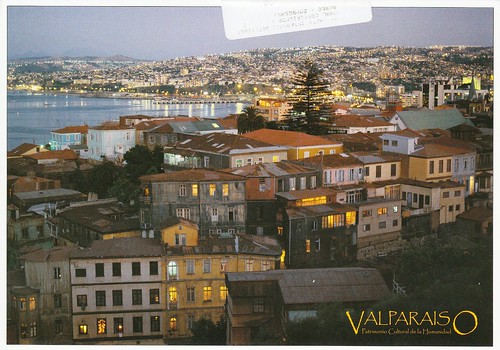
Chile - Historic Quarter of the Seaport City of Valparaíso

The colonial city of Valparaíso presents an excellent example of late 19th-century urban and architectural development in Latin America. In its natural amphitheatre-like setting, the city is characterized by a vernacular urban fabric adapted to the hillsides that are dotted with a great variety of church spires. It contrasts with the geometrical layout utilized in the plain. The city has well preserved its interesting early industrial infrastructures, such as the numerous ‘elevators’ on the steep hillsides.

Year of Inscription: 2003
further Informations: http://whc.unesco.org/en/list/959

Historic Quarter of the Seaport City of Valparaíso

10/03/2014

Australia - Purnululu National Park

The 239,723 ha Purnululu National Park is located in the State of Western Australia. It contains the deeply dissected Bungle Bungle Range composed of Devonian-age quartz sandstone eroded over a period of 20 million years into a series of beehive-shaped towers or cones, whose steeply sloping surfaces are distinctly marked by regular horizontal bands of dark-grey cyanobacterial crust (single-celled photosynthetic organisms). These outstanding examples of cone karst owe their existence and uniqueness to several interacting geological, biological, erosional and climatic phenomena.

Year of Inscription: 2003
further Informations: http://whc.unesco.org/en/list/1094

Purnululu National Park
Heather

05/03/2014

Argentina - Quebrada de Humahuaca

Quebrada de Humahuaca follows the line of a major cultural route, the Camino Inca, along the spectacular valley of the Rio Grande, from its source in the cold high desert plateau of the High Andean lands to its confluence with the Rio Leone some 150 km to the south. The valley shows substantial evidence of its use as a major trade route over the past 10,000 years. It features visible traces of prehistoric hunter-gatherer communities, of the Inca Empire (15th to 16th centuries) and of the fight for independence in the 19th and 20th centuries.

Year of Inscription: 2003
further informations: http://whc.unesco.org/en/list/1116

Quebrada de Humahuaca

22/07/2013

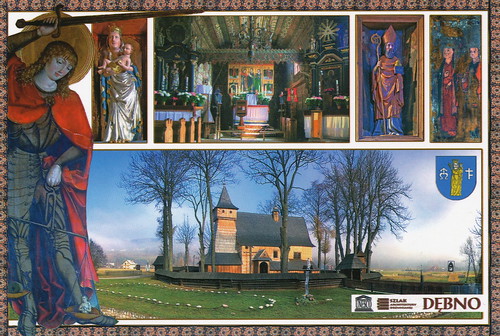
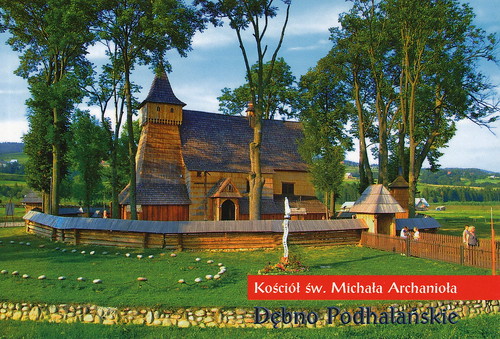
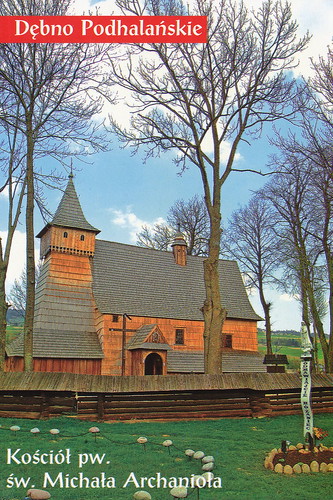
Poland - Wooden Churches of Southern Małopolska


The wooden churches of southern Little Poland represent outstanding examples of the different aspects of medieval church-building traditions in Roman Catholic culture. Built using the horizontal log technique, common in eastern and northern Europe since the Middle Ages, these churches were sponsored by noble families and became status symbols. They offered an alternative to the stone structures erected in urban centres.

Year of Inscription: 2003
further Informations: http://whc.unesco.org/en/list/1053/


Wooden Churches of Southern Małopolska


Wooden Churches of Southern Małopolska

21/07/2013

Mongolia - Russia - Uvs Nuur Basin

The Uvs Nuur Basin (1,068,853 ha), is the northernmost of the enclosed basins of Central Asia. It takes its name from Uvs Nuur Lake, a large, shallow and very saline lake, important for migrating birds, waterfowl and seabirds. The site is made up of twelve protected areas representing the major biomes of eastern Eurasia. The steppe ecosystem supports a rich diversity of birds and the desert is home to a number of rare gerbil, jerboas and the marbled polecat. The mountains are an important refuge for the globally endangered snow leopard, mountain sheep (argali) and the Asiatic ibex.

Year of Inscription: 2003
further Informations: http://whc.unesco.org/en/list/769
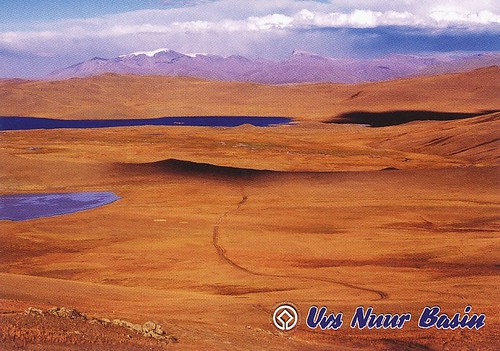

Uvs Nuur Basin
FB Swap with Galina
 

13/07/2013

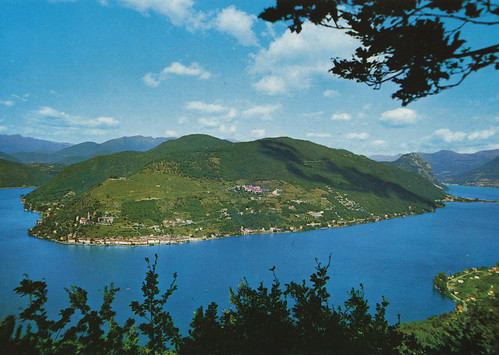
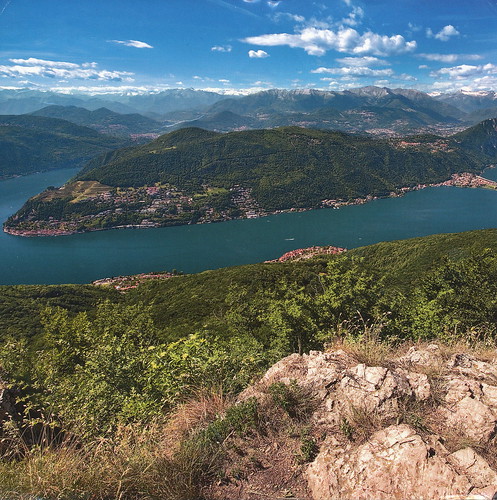
Switzerland - Italy - Monte San Giorgio

The pyramid-shaped, wooded mountain of Monte San Giorgio beside Lake Lugano is regarded as the best fossil record of marine life from the Triassic Period (245–230 million years ago). The sequence records life in a tropical lagoon environment, sheltered and partially separated from the open sea by an offshore reef. Diverse marine life flourished within this lagoon, including reptiles, fish, bivalves, ammonites, echinoderms and crustaceans. Because the lagoon was near land, the remains also include land-based fossils of reptiles, insects and plants, resulting in an extremely rich source of fossils.

Date of Inscription: 2003
further Informations: 
http://whc.unesco.org/en/list/1090


The Italian site rec from aj-person / private swap 


Monte San Giorgio
SwissCard - unwritten
Monte San Giorgio
Swisscard - unwritten

12/07/2013

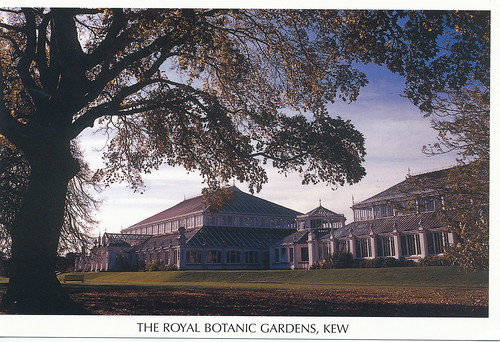
United Kingdom - Royal Botanic Gardens, Kew

This historic landscape garden features elements that illustrate significant periods of the art of gardens from the 18th to the 20th centuries. The gardens house botanic collections (conserved plants, living plants and documents) that have been considerably enriched through the centuries. Since their creation in 1759, the gardens have made a significant and uninterrupted contribution to the study of plant diversity and economic botany.

Date of Inscription: 2003
further Informations: http://whc.unesco.org/en/list/1084
Royal Botanic Gardens, Kew
big unesco - 42 - poncha

06/12/2011

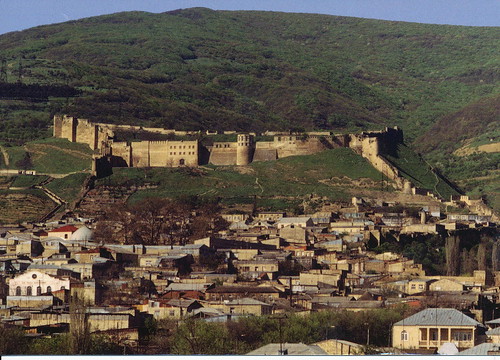
Russia - Citadel, Ancient City and Fortress Buildings of Derbent

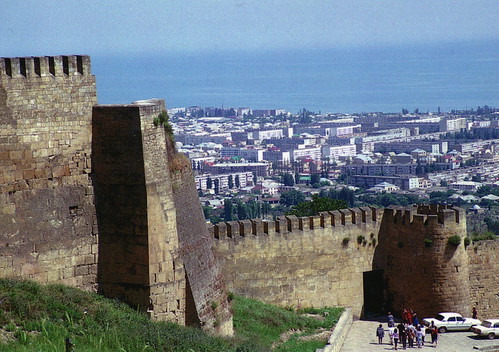
The Citadel, Ancient City and Fortress Buildings of Derbent were part of the northern lines of the Sasanian Persian Empire, which extended east and west of the Caspian Sea. The fortification was built in stone. It consisted of two parallel walls that formed a barrier from the seashore up to the mountain. The town of Derbent was built between these two walls, and has retained part of its medieval fabric. The site continued to be of great strategic importance until the 19th century.

Date of Inscription: 2003

Postcard 1 & 2: Both received from a private swap with kill-hatori


03/12/2011

Israel - White City of Tel-Aviv -- the Modern Movement

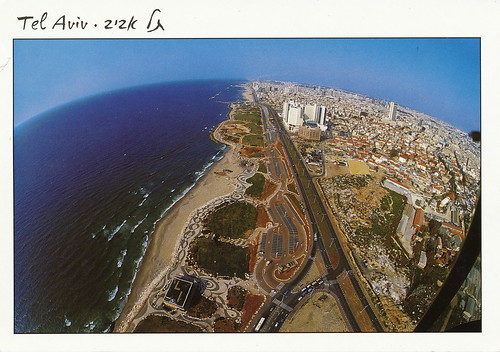
Tel Aviv was founded in 1909 and developed as a metropolitan city under the British Mandate in Palestine. The White City was constructed from the early 1930s until the 1950s, based on the urban plan by Sir Patrick Geddes, reflecting modern organic planning principles. The buildings were designed by architects who were trained in Europe where they practised their profession before immigrating. They created an outstanding architectural ensemble of the Modern Movement in a new cultural context.

Date of Inscription: 2003

Postcard 1: private swap with Oleg


12/10/2011

Czech Republic - Jewish Quarter and St Procopius' Basilica in Třebíč

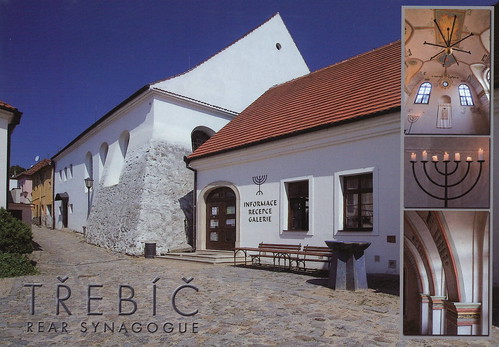
The ensemble of the Jewish Quarter, the old Jewish cemetery and the Basilica of St Procopius in Trebíc are reminders of the co-existence of Jewish and Christian cultures from the Middle Ages to the 20th century. The Jewish Quarter bears outstanding testimony to the different aspects of the life of this community. St Procopius Basilica, built as part of the Benedictine monastery in the early 13th century, is a remarkable example of the influence of Western European architectural heritage in this region. 

Date of Inscription: 2003

Postcard 1: rec. 07 Oct 2011 - a Birthday Card from Radim! Thank you so much for this nice surprise!
unesco_0020

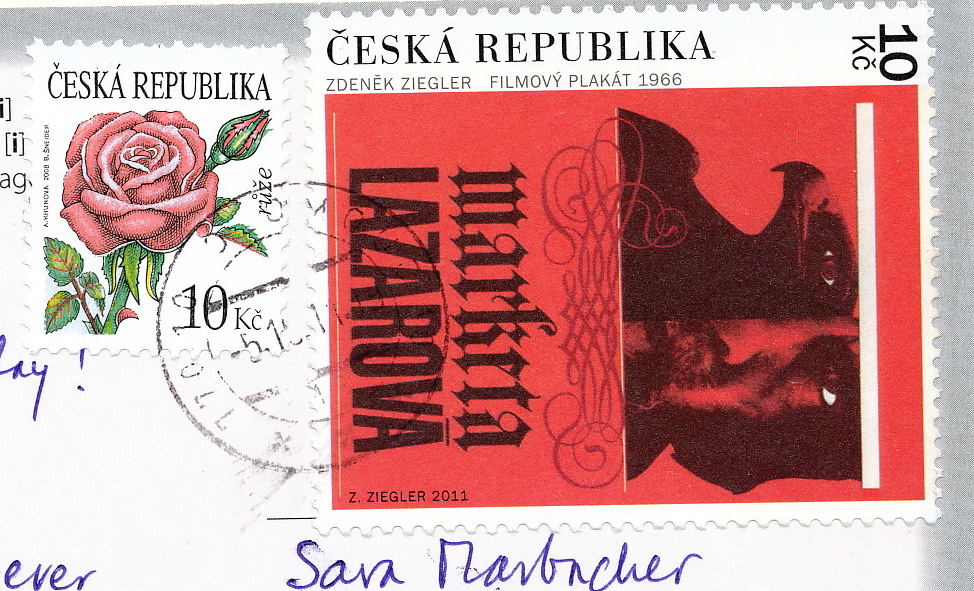
Stamped on the Day of its Issue!